Why Is My Dog Not Eating But Acting Normal? Causes, Tips & When to Worry
Why Is My Dog Not Eating But Acting Normal? Causes, Tips & When to Worry
Quick Answer (TL;DR)
Table of Contents
A dog acting normal but not eating for one meal is usually not an emergency – stress, pickiness, mild stomach upset, or a recent treat overload are the most common culprits.
If your dog hasn’t eaten for more than 48 hours, call your vet even if they seem fine.
Puppies need faster attention – contact a vet if a puppy skips meals for 12–24 hours.
Shaking, vomiting, pale gums, or not drinking water alongside food refusal = call the vet today.
Most dogs bounce back on their own within 24 hours; the key is knowing which warning signs to watch for.
Introduction
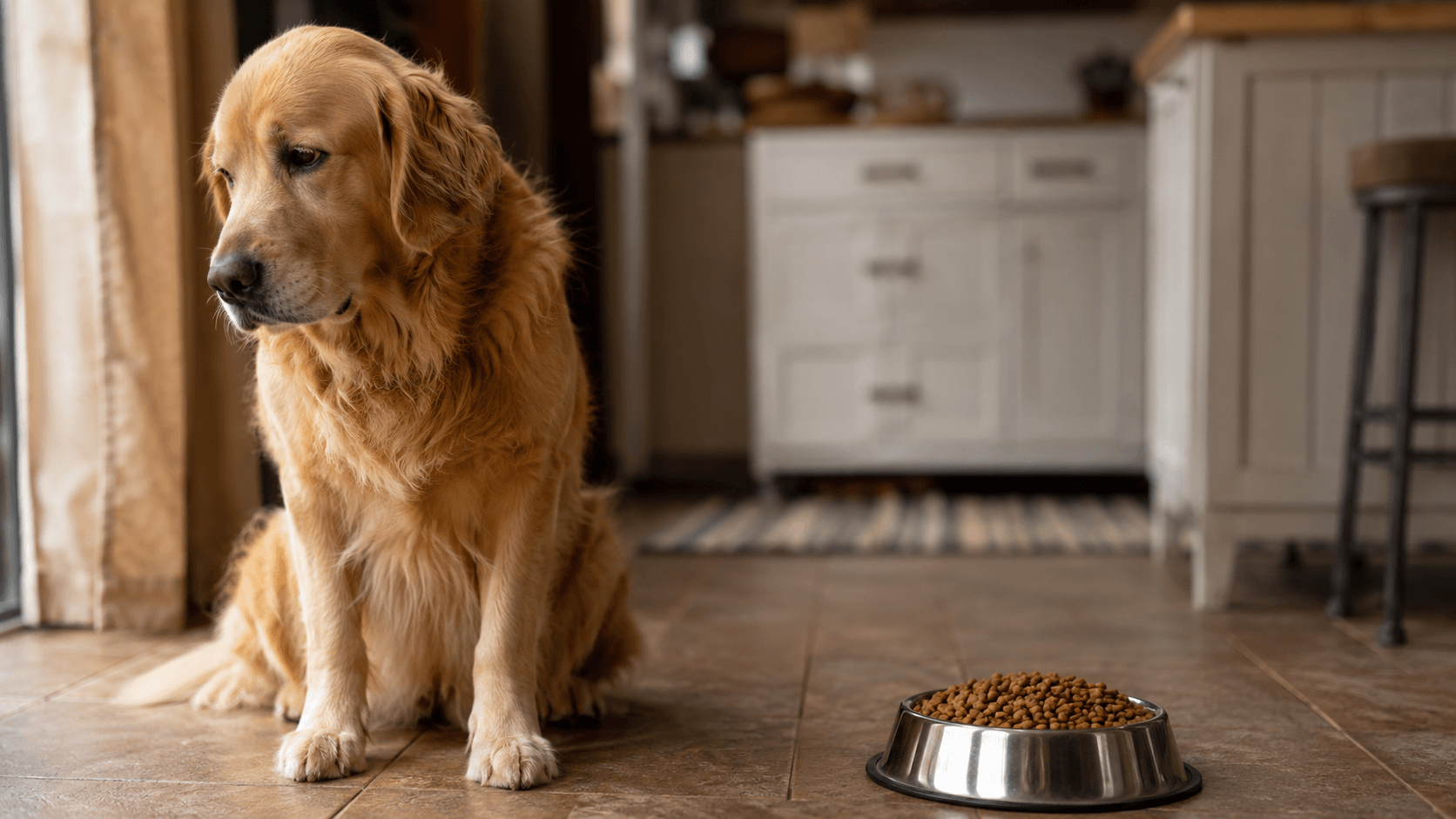
You set down your dog’s bowl, walk away, and come back to find it untouched – but your pup is wagging their tail, sniffing around, and acting completely like themselves. It’s confusing, and honestly a little unsettling.
Here’s the reassuring truth: a dog not eating but acting normal is one of the most common concerns pet owners bring to veterinarians, and in most cases, there’s a straightforward explanation. Dogs skip meals for all sorts of reasons that have nothing to do with serious illness.
That said, appetite loss can sometimes be the first quiet signal that something deeper is going on. So in this guide, we’ll walk you through every likely cause – from the totally harmless to the genuinely urgent – plus practical steps you can take right now and a clear checklist for when it’s time to pick up the phone and call your vet.
Why Is My Dog Not Eating But Acting Normal?
The most likely explanation is a minor, temporary issue – a change in routine, a bout of mild nausea, boredom with their food, or simply being full from too many treats. Dogs, like people, have off days.
When a dog is acting fine but not eating, it tells us one important thing: they have enough energy and feel well enough to behave normally. That’s a good sign. It means the issue is probably not severe – at least not yet.
The tricky part is that some conditions start subtly. A dog in early-stage kidney disease or with a developing dental abscess may seem perfectly cheerful while quietly losing their appetite. That’s why duration matters. One skipped meal? Watch and wait. Two days with no food? Time to call the vet.
Common Reasons Dogs Stop Eating but Behave Normally
Here are the most frequent reasons a dog acting fine but not eating might be skipping meals:
Stress or anxiety – Moving homes, a new baby, loud fireworks, a new pet, or even a change in your work schedule can suppress appetite. Dogs are creatures of habit.
Boredom with food – A dog stopped eating kibble but acting normal is often just tired of the same flavor. This is especially common after months on the same diet.
Too many treats or table scraps – If your dog filled up on snacks, they may hold out for something better than their regular bowl.
Mild digestive upset – Eating grass, drinking from a puddle, or getting into the trash can cause a day of nausea without any dramatic symptoms.
Dental pain – Tooth decay, gum disease, or a cracked tooth makes chewing uncomfortable. Your dog may seem fine but quietly dread mealtime.
Recent vaccination – It’s normal for dogs to have a reduced appetite for 24–48 hours after a vaccine.
Medication side effects – Antibiotics, anti-inflammatories, and some parasite treatments can cause temporary nausea.
Heat – Dogs eat less in hot weather, just like we do. A warm summer day can cut appetite noticeably.
Hormonal changes – Females in heat often eat less. This is temporary and resolves on its own.
Early-stage illness – Kidney disease, liver issues, pancreatitis, or infections may start with appetite loss before any other obvious symptoms appear.
💡 Expert Tip: Peek inside your dog’s mouth if they’ll let you. Red, swollen gums, visible tartar, or a broken tooth could explain a lot. Dental disease affects an estimated 80% of dogs over age 3, according to the American Veterinary Medical Association (AVMA).
At-a-Glance: Possible Causes, Symptoms & When to See a Vet
Possible Cause | Symptoms | When to See a Vet |
|---|---|---|
Stress / anxiety | Skipping meals, panting, pacing, hiding | If appetite doesn’t return within 48 hours |
Boredom with food / pickiness | Refuses kibble, eats treats willingly | Only if it persists more than 2–3 days |
Dental pain | Drops food, chews on one side, bad breath | Schedule a dental check within a few days |
Mild digestive upset | Skips 1–2 meals, may eat grass | If vomiting or diarrhea also develops |
Vaccination / medication side effects | Appetite loss within 24–48 hrs of dose | If loss lasts more than 48 hours |
Heat / weather | Eats less in summer, drinks normally | Rarely needed; ensure hydration |
Hormonal changes (heat cycle) | Female dog eating less, behavioral changes | If appetite doesn’t return after cycle ends |
Early-stage illness (kidney, liver, etc.) | Gradual appetite decline, subtle behavior change | Within 24–48 hours; sooner if other signs appear |
Foreign body / obstruction | Won’t eat, may retch, distended belly | Emergency – go immediately |
Toxin ingestion | Sudden refusal, drooling, trembling | Emergency – go immediately |
Why Is My Dog Not Eating Breakfast?
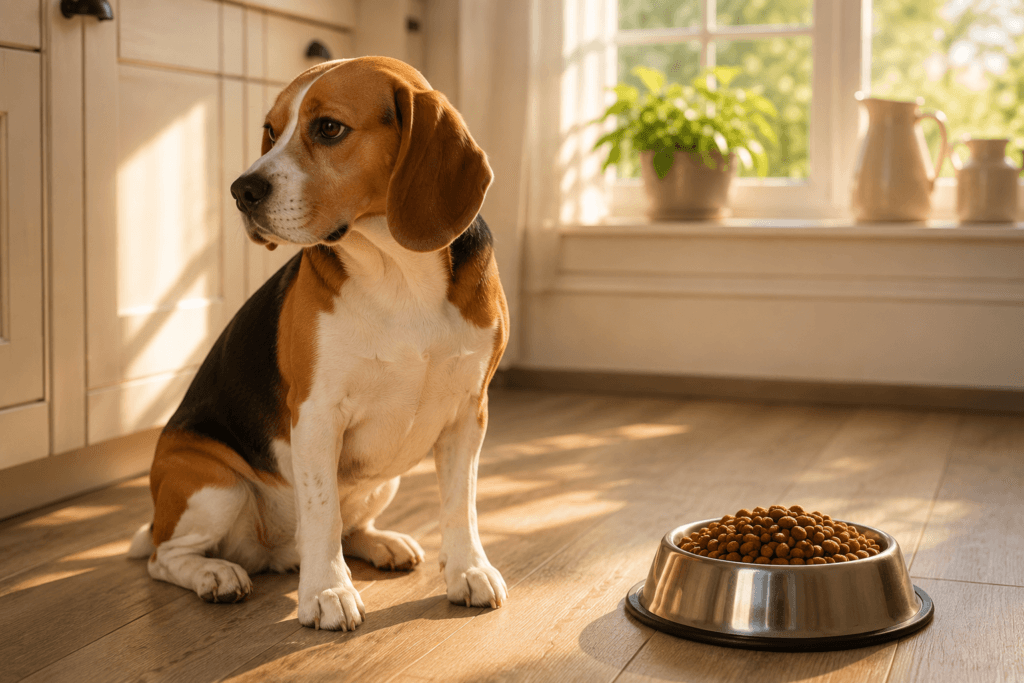
Many dogs skip breakfast simply because they’re not hungry first thing in the morning – especially if they had a large dinner the night before or got into treats late in the evening.
Some dogs are naturally “evening eaters” and show more interest in their dinner than their morning meal. If your dog skips breakfast but eats dinner enthusiastically and is otherwise acting normal, it’s usually not a red flag.
What to try:
Move breakfast 30–60 minutes later and see if appetite improves.
Cut back on evening treats so they wake up hungrier.
Try a short walk before breakfast – exercise naturally stimulates appetite.
If your dog is consistently not eating breakfast and also seems lethargic or is losing weight, that pattern deserves a vet visit.
Why Is My Dog Not Eating His Favorite Food?
When a dog won’t eat his favorite food, it’s one of the stronger signals that something physical is wrong – not just pickiness. A dog who turns down their all-time favorite treat or meal is telling you they genuinely don’t feel well.
Possible reasons include:
Nausea – Even mild nausea can make the most appealing food unappealing.
Mouth pain – A cracked tooth or sore gum can make chewing any food, even beloved ones, painful.
Fever – Dogs with a fever often lose interest in food entirely.
Emotional distress – Grief (yes, dogs grieve), severe anxiety, or depression can suppress appetite even for favorites.
💡 Expert Tip: If your dog won’t eat his favorite food and this is new behavior, don’t wait more than 24 hours before calling your vet. This symptom carries more weight than general pickiness.
Why Is My Dog Not Eating but Drinking Water?
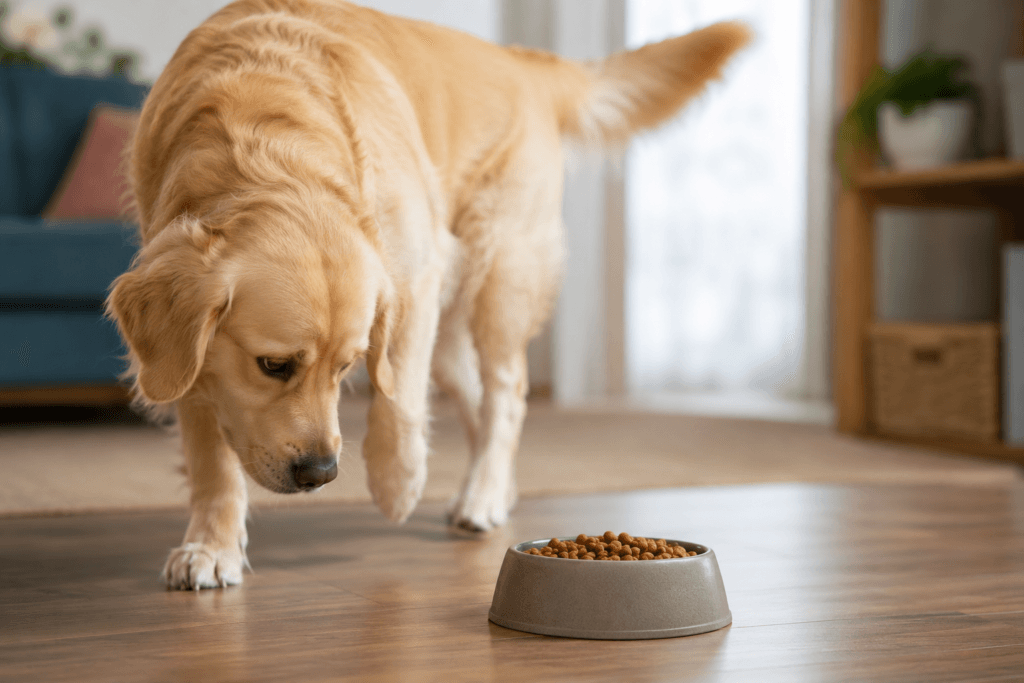
A dog not eating but drinking water normally is generally a more reassuring picture than a dog refusing both food and water. Staying hydrated means their body is still functioning reasonably well.
That said, it’s not something to ignore. Common causes include:
Mild nausea or stomach upset
Stress or anxiety
Dental discomfort
Early kidney disease (which can actually increase thirst while decreasing appetite)
Monitor for 24 hours. If your dog is drinking, alert, and otherwise acting normally, you have a short window to watch and wait. But if the food refusal stretches past 48 hours – or if they start drinking excessively – get a vet check. Increased thirst paired with appetite loss can point to diabetes, kidney disease, or Cushing’s disease.
Why Is My Dog Not Eating or Drinking Water?
A dog not eating or drinking water is a more serious situation and warrants a call to your vet within 24 hours – sooner if other symptoms are present.
Dehydration sets in faster than most people realize. A dog can go without food for a few days, but water is critical. Without adequate hydration, organ function starts to decline within hours in severe cases.
Signs of dehydration to check right now:
Skin tent test: Gently pinch the skin on the back of the neck. If it snaps back slowly (or doesn’t snap back), your dog may be dehydrated.
Dry, tacky gums instead of moist and slippery.
Sunken eyes.
Lethargy or weakness.
If your dog is not eating or drinking water and showing any of the above signs, don’t wait – call your vet or an emergency animal hospital today.
Why Is My Dog Not Eating His Food and Sleeping a Lot?
A dog not eating his food and sleeping a lot is a combination that should prompt a same-day vet call, especially if the lethargy is new or getting worse.
Some extra sleep is normal – dogs sleep 12–14 hours a day on average. But “sleeping a lot” in this context means noticeably more than usual, reluctance to get up, or lack of interest in things they normally love (walks, play, greetings).
When appetite loss and excessive sleeping appear together, possible causes include:
Infection (bacterial, viral, or parasitic)
Pain – from arthritis, an injury, or an internal issue
Anemia
Hypothyroidism
Cancer (especially in older dogs)
Parvovirus (in unvaccinated or young dogs – this is an emergency)
💡 Expert Tip: Think about what’s changed in the last 48–72 hours. New food? A walk in a new area? Contact with another dog? Any of these details help your vet narrow things down fast.
Why Is My Dog Not Eating and Shaking?
A dog not eating and shaking at the same time needs veterinary attention the same day – this combination is not a “wait and see” situation.
Shaking or trembling alongside food refusal can signal:
Pain – Dogs often shake when they’re in significant discomfort.
Nausea – Severe nausea causes trembling before vomiting.
Fever – A temperature above 103°F in dogs is a fever; shaking is a common sign.
Low blood sugar (hypoglycemia) – Especially dangerous in small breeds and puppies.
Toxin ingestion – Many household toxins (xylitol, grapes, certain medications) cause trembling and appetite loss.
Neurological issues – Seizure activity or vestibular disease can present with shaking and disorientation.
Addison’s disease – A hormonal condition that causes episodic weakness, shaking, and appetite loss.
If your dog is shaking and not eating, and also shows vomiting, collapse, pale gums, or a bloated belly – go to an emergency vet immediately. Don’t wait for a regular appointment.
Why Is My Dog Not Eating After Giving Birth?
It’s normal for a mother dog (dam) to skip one or two meals immediately before and during labor, but her appetite should return within 24 hours of delivering her last puppy.
During whelping, most dams are focused entirely on their puppies and may show little interest in food. Some will eat the placentas, which can temporarily reduce hunger.
When to be concerned:
She hasn’t eaten anything for more than 24 hours after the last puppy was born.
She seems weak, feverish, or has foul-smelling vaginal discharge (possible sign of retained placenta or infection).
She’s trembling or having muscle spasms (possible eclampsia – a calcium emergency that needs immediate vet care).
She’s not nursing or is ignoring her puppies.
What helps: Offer warm, calorie-dense food – high-quality canned puppy food or a small amount of cooked chicken. Nursing mothers need significantly more calories than usual, so appetite should return and increase quickly. If it doesn’t, call your vet.
According to the Merck Veterinary Manual, postpartum complications including metritis (uterine infection) and eclampsia are serious conditions that require prompt veterinary intervention.
What Can I Feed My Dog Who Doesn’t Want to Eat?
The best food for a dog who doesn’t want to eat is something bland, easy to digest, and more aromatic than their usual kibble. Here are the top options vets recommend:
Bland home options:
Boiled chicken breast (no skin, no seasoning) + plain white rice – the classic go-to for upset stomachs. Aim for a 1:2 ratio (1 part chicken, 2 parts rice).
Plain boiled turkey breast + white rice – a good alternative if your dog is sensitive to chicken.
Boiled sweet potato or plain white potato – gentle on the gut, good for dogs with protein sensitivities.
Plain scrambled egg (cooked in a dry pan, no butter or oil) – highly digestible and usually very appealing.
Low-sodium chicken or bone broth – pour a small amount over kibble to boost the smell and palatability.
Commercial options:
A high-quality wet/canned dog food – the stronger smell often tempts picky eaters.
A veterinary GI diet (like Hill’s i/d or Royal Canin Gastrointestinal) – these are specifically formulated for digestive recovery and are often more effective than homemade bland diets.
💡 Expert Tip: Warm the food slightly (body temperature, not hot) before serving. Heat releases aroma compounds that make food far more enticing to a dog’s powerful nose.
What NOT to do: Don’t offer table scraps, fatty meats, or heavily seasoned food. And don’t keep a homemade bland diet going for more than 3–5 days without vet guidance – it’s not nutritionally complete for the long term.
Home Remedies to Encourage Your Dog to Eat
Before calling the vet, these safe, practical strategies can help coax a reluctant eater:
Stick to a feeding schedule. Put the bowl down for 15–20 minutes, then remove it. No grazing. This creates healthy hunger cues.
Cut treats completely for 24 hours. A dog holding out for snacks will often eat their regular food once the treats disappear.
Add warm water or low-sodium broth to dry kibble. It softens the texture and amplifies the smell.
Try a different bowl. Some dogs dislike the smell of metal or the sound of their tags hitting a bowl. A flat ceramic plate sometimes works surprisingly well.
Feed in a quiet space. Distractions – kids, other pets, loud TV – can put a sensitive dog off their food.
Take a short walk first. Even 10 minutes of exercise before mealtime can stimulate appetite.
Try hand-feeding a few pieces. This isn’t a long-term strategy, but it can break the cycle when a dog is anxious or stressed.
Check the food itself. Smell the kibble. Expired or rancid food smells off even to us – dogs are far more sensitive to it. Check the bag’s best-by date.
Prevention tip: Rotate proteins every few months to prevent food boredom, and avoid feeding table scraps regularly, which trains dogs to hold out for “better” options.
When Should You Call a Veterinarian?
Call your vet if your dog has not eaten for 48 hours, even if they seem otherwise normal. For puppies, senior dogs, or dogs with existing health conditions, that window shrinks to 24 hours.
Call sooner – ideally the same day – if your dog is:
Not eating and not drinking water
Not eating and sleeping far more than usual
Not eating and vomiting or has diarrhea
Not eating and losing weight noticeably
Not eating and shaking or trembling
A puppy who has skipped more than one meal
A nursing mother who hasn’t eaten in 24 hours post-whelping
On medication and has suddenly stopped eating (some drugs cause serious GI side effects)
When you call, be ready to tell your vet: how long since the last meal, what you’ve tried, any recent changes (new food, new environment, new medication), and any other symptoms – even ones that seem unrelated.
Warning Signs That Need Immediate Medical Attention
Go to an emergency vet immediately if your dog is not eating AND shows any of the following:
Pale, white, blue, or yellow gums – indicates poor circulation, anemia, or liver disease
Bloated or hard abdomen – possible bloat (GDV), which is fatal without emergency surgery
Repeated vomiting or dry heaving without producing anything
Collapse or inability to stand
Seizures or uncontrolled trembling
Suspected toxin ingestion (xylitol, grapes, raisins, chocolate, medications, household chemicals)
Known foreign body ingestion (toy parts, bones, socks)
Bloody vomit or diarrhea
Extreme lethargy – can’t be roused, won’t lift their head
Difficulty breathing
Signs of severe pain – hunching, crying, guarding the belly
Don’t wait for a morning appointment if any of these apply. These are true emergencies.
Frequently Asked Questions
How long can a dog go without eating before it’s dangerous? Most healthy adult dogs can go 3–5 days without food before serious health consequences occur, but that doesn’t mean you should wait that long. Call your vet after 48 hours of food refusal, and sooner if any other symptoms appear.
My dog isn’t eating but acting normal – should I be worried? Not immediately, but you should monitor closely. One skipped meal in an otherwise healthy, alert, happy dog is usually not cause for alarm. Two or more skipped meals, or any additional symptoms, mean it’s time to call your vet.
Why is my dog not eating much but acting normal? Eating less than usual – but still eating something – is often linked to heat, mild nausea, stress, or boredom with food. Track how much they’re eating over 2–3 days. If intake keeps dropping, schedule a vet visit.
Is it normal for a puppy not to eat but act normal? Puppies can skip a meal due to stress, teething, or distraction, but they’re more vulnerable than adult dogs. If a puppy hasn’t eaten for 12 hours or has missed two consecutive meals, contact your vet. Don’t wait the full 48 hours you might give an adult dog.
My dog stopped eating kibble but acting normal – is it just pickiness? It might be. Dogs can develop food boredom, especially if they’ve been on the same diet for a long time. Try adding warm broth or a small amount of wet food to the kibble. If they eat the topper but refuse the kibble entirely, they may be holding out – gradually transition to a new food rather than switching cold turkey.
Why is my dog not eating and drinking a lot of water? Increased thirst combined with appetite loss can be a sign of diabetes, kidney disease, Cushing’s disease, or other hormonal conditions. This combination warrants a vet visit within 24 hours, even if your dog seems otherwise normal.
Can stress cause a dog to stop eating? Absolutely. Stress is one of the most common reasons a dog acting fine but not eating skips meals. Triggers include moving, new pets, new people, travel, loud noises, or changes in your schedule. The appetite usually returns once the stressor is removed or the dog adjusts – typically within 1–3 days.
What can I give my dog to stimulate appetite at home? Try warming their food, adding low-sodium broth, offering a small amount of plain boiled chicken, or switching temporarily to a high-quality wet food. A short walk before meals can also help. If none of these work within 24 hours, call your vet.
Conclusion
A dog not eating but acting normal is one of those situations that sits right at the intersection of “probably fine” and “worth keeping a close eye on.” Most of the time, it really is something simple – a bit of stress, a bout of nausea, or a dog who’s decided their kibble isn’t exciting enough today.
But you know your dog. If something feels off – if the food refusal is lasting longer than usual, if they’re sleeping more, shaking, or just not quite themselves – trust that instinct and call your vet. A quick phone call is always better than waiting too long.
Your action plan:
One skipped meal + acting normal = watch and wait, try appetite-boosting tricks.
48 hours without eating = call your vet.
Any red-flag symptoms (shaking, vomiting, pale gums, not drinking) = call today or go to an emergency clinic.
Keep track of what your dog eats, drinks, and how they’re behaving. That information is exactly what your vet needs to help them fast.
Useful Sources
⚠️ Disclaimer: This article is for informational purposes only and does not replace professional veterinary advice. Always consult a licensed veterinarian if you are concerned about your dog’s health.